How to Grease Zerk Fittings Step by Step
To learn how to grease zerk fittings, clean the fitting, seat the grease gun coupler, and pump slowly. Stop at the amount in the equipment manual or when resistance rises, then release the coupler and wipe away excess grease.
On this page (10 sections)
- What do you need to grease zerk fittings?
- How to grease zerk fittings step by step
- How do you clean and connect a grease gun coupler?
- How slowly should you pump grease into a zerk?
- How much grease should go into a zerk fitting?
- What if the zerk fitting won't take grease?
- Which grease should you use on a zerk?
- When should you replace a zerk fitting?
- How do you avoid common greasing mistakes?
- How do you choose the right gear for greasing zerk fittings?
To learn how to grease zerk fittings, clean the fitting, seat the grease gun coupler squarely, and pump slowly. Stop at the amount in the equipment manual or when resistance rises, then release the coupler before removing it and wipe away excess grease.
A zerk fitting, also called a grease fitting or grease nipple, gives a grease gun access to a joint. The right grease and amount depend on the machine, so use its manual for the fitting locations, service intervals, and lubrication instructions.
What do you need to grease zerk fittings?
You need the specified grease, a grease gun, and a clean rag. A small brush can help clear packed dirt around the fitting before you connect the gun.
Check that the grease gun is primed and that its coupler matches the fitting. If the gun has air in it or won't deliver grease, follow how to bleed air out of a grease gun.
Park the equipment securely, switch off the engine or power, and let hot parts cool. Lower attachments as the manual directs, and keep hands away from pinch points.
How to grease zerk fittings step by step
Clean the fitting, attach the coupler, pump slowly, and stop at the specified amount. Working in this order helps keep grit out of the joint and reduces the risk of forcing in too much grease.
- Find each grease point listed in the equipment manual.
- Wipe dirt and old grease from the fitting and its base.
- Press the grease gun coupler straight onto the zerk until it seats.
- Pump in short, controlled strokes while watching the joint and hose.
- Stop at the manual's amount or expected sign of lubrication.
- Release the coupler, remove it, and wipe the area clean.
Don't pump continuously while looking away. Watch for sharp increases in resistance, grease escaping around the fitting, or a seal beginning to bulge.
How do you clean and connect a grease gun coupler?
Wipe the fitting's tip and surrounding area before attaching the gun. Dirt around the opening can be pushed into the joint if the coupler goes on before the fitting is clean.
Use a clean rag and brush away stubborn debris without pushing it into the fitting opening. If the zerk is loose, damaged, or visibly blocked, stop and inspect it before greasing.
Press the coupler squarely onto the fitting until it seats. If it won't stay in place, check the alignment and coupler jaws instead of forcing the connection.
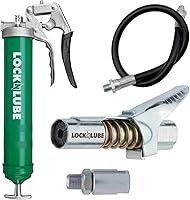
The LockNLube coupler connects to manual, battery-powered, or pneumatic grease guns with a 1/8 in NPT thread. Choose it if you want both hands free at a hard-to-reach fitting or want a coupler that locks onto the zerk.
Skip it if your current coupler connects securely and is easy to release.
Release the coupler with its control rather than twisting or yanking the hose. For a fitting deep in a recess, check that the coupler can reach it without sharply bending the hose.
How slowly should you pump grease into a zerk?
Use short, controlled strokes and watch the joint as grease enters. Stop at the amount specified in the manual or when the joint shows its expected sign of lubrication.
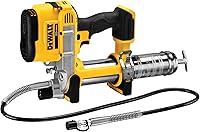
The Milwaukee 2446-20 is a 12 V cordless grease gun. It develops over 8,000 PSI and accepts a 14 oz cartridge or 16 oz of bulk grease.
It comes without a battery or charger, so it's a fit for someone who already has the compatible battery and charger or plans to get them separately.
Choose this gun if you service multiple grease points and want cordless operation. Skip it if you need a complete battery-and-charger setup in one purchase or only grease an occasional, easy-to-reach fitting with a manual gun.
Don't keep pumping just because grease remains in the gun. The amount delivered per stroke can vary, so see how much grease comes out in one pump for a general estimate.
How much grease should go into a zerk fitting?
Use the amount and stopping point in the equipment manual; no universal pump count fits every joint. Joint size and design affect how much grease it takes, and grease guns can deliver different amounts per stroke.
Some joints show fresh grease at a relief point or around a moving part. Others have a specified amount or procedure, so don't assume visible overflow is always the right signal.
Stop if resistance rises sharply, grease escapes around the fitting, or a seal starts to bulge. Excess pressure can damage a seal or fitting, so don't force the gun.
What if the zerk fitting won't take grease?
Stop pumping and check the coupler, fitting, and joint for a blockage. Adding pressure can damage a fitting or seal without clearing the problem.
Release pressure and detach the coupler using its release mechanism. Wipe the fitting clean again, check that the coupler jaws are seated, and inspect the zerk for damage.
If grease still won't enter, the fitting or passage may be blocked. Follow the steps in why a grease zerk won't take grease, and replace a damaged fitting only if you can follow the equipment maker's procedure.
Which grease should you use on a zerk?
Use the grease type specified for your equipment, and don't mix greases unless the equipment maker confirms they are compatible. A different formulation may not suit the joint.
The grease is water resistant and contains rust and oxidation inhibitors. Choose it only when its type matches the equipment's requirements; skip it when the manual calls for a different formulation.
When should you replace a zerk fitting?
Replace a fitting only when it is damaged, loose, or confirmed blocked, and use the size specified for the port. A worn fitting may not hold the coupler securely or let grease pass into the joint.
An assortment can help when you have a confirmed replacement size and need to match an SAE or metric thread. Don't guess: a fitting that threads poorly can damage the port.
Choose the kit if you service several types of equipment and can identify the correct fitting before installation. Skip it if you need one known replacement and don't need the extra sizes.
If the joint is part of a safety-critical steering or suspension system, ask a qualified mechanic to inspect it if you're unsure.
How do you avoid common greasing mistakes?
Clean before connecting, use the specified grease, and stop when the manual says to stop. These steps help avoid dirt contamination, incompatible grease, and overfilling.
Don't force a blocked fitting, assume every zerk takes the same number of pumps, or pull off a pressurized coupler without releasing it. Don't install a replacement by guessing at its thread or angle.
After each job, wipe the fitting and coupler clean and store the gun where dirt can't reach its hose end. For more care steps, see how to clean a grease gun and keep it working.
How do you choose the right gear for greasing zerk fittings?
Match each item to the job: choose a cordless gun for frequent mobile work, a locking coupler for a hands-free connection, grease that meets the manual's requirements, and a fitting kit for confirmed replacement needs. You don't need to replace gear that already fits the job.
Pick the Milwaukee gun if cordless reach matters and you have a plan for its separate battery and charger. Pick the LockNLube coupler if your current connection slips or you want a locking fit.
Choose the Lucas grease only when its type suits your equipment, and choose the fitting kit when you can identify the replacement thread.
For routine mower service, follow the steps in how to grease a riding mower or lawn tractor. At every grease point, use the manual's interval and amount, and stop if pressure rises or grease escapes from the wrong place.
Frequently asked questions
How many pumps of grease should a zerk fitting get?
There isn't one pump count for every zerk fitting. Follow the equipment manual and stop when fresh grease appears at the joint or you reach its specified amount.
Too much grease can damage seals or push grease where it should not go.
For an estimate of output, see how much grease comes out in one pump.
Why won't grease go into a zerk fitting?
The fitting may be clogged, the coupler may not be seated, or the joint may be blocked. Release pressure, clean the fitting, and check the coupler connection.
Don't force the gun.
If grease still won't enter, inspect the fitting and follow the equipment manual.
Should grease come out around a zerk fitting?
A small amount of old grease may appear at a joint as fresh grease enters, depending on the equipment design. Stop if grease escapes around the fitting itself or a seal begins to bulge, then follow the manual's instructions for that joint.
Can I use any grease in a zerk fitting?
No. Use the grease type specified by the equipment maker because different greases may not be compatible.
Check the manual for the required grade and application.
Clean the fitting before connecting the gun so dirt doesn't enter the joint.