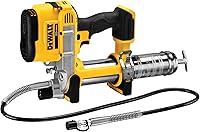
How to Clean a Grease Gun and Keep It Working
To clean a grease gun, wipe the coupler, hose, barrel, and handle after each job, then store it capped and protected from dirt. For routine cleanup, use a clean lint-free rag and follow the manual before using cleaners or taking parts apart.
On this page (9 sections)
- How do you clean a grease gun after each job?
- What should you use to clean a grease gun?
- How do you clean the coupler without damaging it?
- How can you keep a grease gun from leaking?
- How should you clean and store a grease gun between jobs?
- How do you clean a grease gun when changing grease?
- What parts should you inspect while cleaning?
- How do you choose grease gun cleaning and storage accessories?
- What is the simplest way to keep a grease gun working?
To learn how to clean a grease gun, start with a clean, lint-free rag: wipe the coupler, hose, barrel, and handle after each job, then cover the coupler and store the tool in a clean, dry place. Follow the manual before applying a cleaner or taking anything apart.
A short wipe-down keeps dirt from sticking to leftover grease and makes fresh leaks easier to spot. Cleaning won't repair worn seals or a damaged hose, so inspect the gun as you clean it.
How do you clean a grease gun after each job?
Wipe the outside of the gun and coupler as soon as you're done. Give extra attention to the coupler jaws and hose connection, where grease tends to collect.
- Release pressure according to the gun's manual.
- Wipe grease from the coupler, hose, barrel, and handle.
- Clean around the coupler opening without pushing debris inside.
- Cover the coupler and store the gun somewhere clean and dry.
Keep the rag away from the inside of the coupler. Fibers or grit can contaminate the grease or transfer to a fitting the next time you connect it.
If the gun pumps unevenly or is difficult to prime after cleanup, trapped air may be the issue. Follow our guide to bleeding air out of a grease gun.
What should you use to clean a grease gun?
Use a clean, lint-free rag for routine cleanup, and use other cleaners only when the manual allows them. A rag removes exterior grease without exposing seals, hoses, paint, or plastic parts to an unapproved solvent.
Don't soak the gun or spray cleaner into openings. Avoid scraping hardened grease with a sharp tool, which can damage a surface or push debris into a connection.
Can you use brake cleaner on a grease gun?
Use brake cleaner only if the gun's maker approves it for that model. Solvents can harm seals, hose materials, paint, and plastic components.
For ordinary exterior grease, wipe it away instead. If grease is inside the gun or a part won't move freely, check the manual or ask the maker before disassembly.
How do you clean the coupler without damaging it?
Wipe the coupler's outside and jaws, and keep dirt out of its opening. Don't force a rag or pointed tool into the mechanism.
The coupler touches the fitting directly, so grit on the jaws can travel to the grease point. Put a clean cap on the coupler between jobs if you have one.
The LockNLube coupler uses a 1/8 in NPT connection and is rated up to 10,000 PSI. It fits manual, battery, and pneumatic grease guns, works with SAE and metric fittings, and includes a spare rebuild kit.
It's a good fit if you want a coupler that locks onto fittings and releases with a thumb lever, including under pressure. Skip it if you only need to wipe down an existing coupler or your gun uses a different connection; check the connection before buying.
If grease keeps escaping at the fitting, inspect both the coupler and fitting instead of repeatedly wiping up the spill. Our guide to grease zerks that won't take grease covers common causes at the fitting.
How can you keep a grease gun from leaking?
Clean the gun first, then look for where fresh grease appears during use. Check the hose, coupler, connections, and barrel area without loosening pressurized parts.
A leak can come from a loose connection, damaged hose, worn coupler, or a seal problem. Stop pumping if you see a split hose or grease escaping near a moving or pressurized part.
Avoid overtightening connections. Follow the manual to check or replace parts, and don't use the gun until damaged parts are addressed.
A messy cartridge change can leave grease around the barrel and follower. See how to change a grease gun cartridge without a mess for a cleaner loading process.
Does a locking coupler help prevent grease mess?
A locking coupler can keep the connection attached while you grease a fitting. LockNLube's design locks onto fittings and uses a thumb lever to release, including under pressure.
A coupler won't repair a damaged hose or worn fitting. Check those parts if grease still escapes after the coupler is seated.
How should you clean and store a grease gun between jobs?
Wipe away exterior grease, cover the coupler, and keep the gun in a clean, dry place. Protect the hose from sharp bends and keep dust away from the fitting end.
If the gun travels in a vehicle or toolbox, secure it so it doesn't shift and keep its accessories together. A fitted case can also limit dust buildup during storage.
The YDEPLVEO case has a plastic shell, foam, a top handle, and two safety buckles. It fits Milwaukee M12 model 2446-20 and M18 model 2646-20 guns.
Choose this case if you own one of those models and want a dedicated place for the gun and accessories. Skip it if your gun is another model or you need a case with more than one compartment.
Wipe the tool before storing it so grease doesn't collect dust inside the case.
How do you clean a grease gun when changing grease?
Wipe the barrel and parts that contact grease before loading a different type, and follow the manual's changeover steps. Don't assume two greases can be mixed because they look similar.
Check the grease labels or ask the grease maker whether the types are compatible. If you're switching to bulk grease, use the gun's correct loading method and clean the parts that contact grease.
The Lincoln 1133 is a pistol-grip, hand-powered gun with an 18 in whip hose and coupler. It supports standard grease cartridges and two-way loading.
Choose it if you need a manual gun with a flexible hose and want a choice of loading methods. Skip it if you need a battery-powered tool or are only looking for a cleaning accessory.
Our guide explains how to fill a grease gun with bulk grease.
What parts should you inspect while cleaning?
Check the hose, coupler, connections, and handle for visible damage or fresh grease. Wiping the tool first makes cracks, loose fittings, and new leaks easier to see.
Look for a split hose, a coupler that won't release as expected, or grease appearing where it shouldn't. Don't try to repair a pressurized gun; follow the manual and use approved replacement parts.
If the gun stops pumping after cleaning or loading, trapped air may need to be cleared. The guide to bleeding air out of a grease gun covers that problem.
How do you choose grease gun cleaning and storage accessories?
Choose an accessory based on the problem you want to solve: a locking coupler for the fitting connection, a fitted case for storage, or a manual grease gun when you need a complete tool. Match the accessory to your equipment before buying.
The LockNLube coupler suits frequent work where a secure connection and thumb release are useful. The YDEPLVEO case suits owners of the specified Milwaukee M12 or M18 models who want to carry the gun, batteries, and accessories together.
The Lincoln 1133 is a complete hand-powered grease gun, not a cleaning tool. Consider it when you need a manual gun with cartridge and two-way loading options; skip it if your current gun only needs routine care.
What is the simplest way to keep a grease gun working?
For routine care, wipe the gun after use, keep dirt out of the coupler, check for leaks, and store it clean and dry. Use the manual before applying cleaners or removing parts.
Pick a locking coupler if you want the connection to stay attached while greasing. Pick the fitted case if you own a compatible Milwaukee gun and need organized storage; choose the Lincoln 1133 if you need a manual grease gun with flexible loading.
For how to clean a grease gun safely, keep the routine simple and act on damage you find. Stop using the gun if grease leaks from a damaged hose or pressurized part, then follow the manual before returning it to service.
Frequently asked questions
How do you clean a grease gun after use?
Wipe the coupler, hose, barrel, and handle with a clean rag after every job. Remove grease around the fitting and handle before it collects dust, and cap or cover the coupler for storage.
Follow the gun's manual before removing parts or using any cleaner.
Can you use brake cleaner on a grease gun?
Don't use brake cleaner unless the grease gun's manual specifically allows it. Solvents can affect seals, hose materials, paint, or plastic parts.
A clean rag is enough for routine exterior cleanup; use only a cleaner approved by the maker when deeper cleaning is needed.
Why does my grease gun leak?
Grease can escape from a loose connection, damaged hose, worn coupler jaws, or a seal problem. Wipe the gun clean first so you can identify where fresh grease appears, then check the manual and replace damaged parts.
Don't keep pumping into a leak.
How should you store a grease gun?
Store a grease gun in a clean, dry place with its coupler covered and hose protected from kinks. Keep dust off the tool and avoid leaving grease where it can collect dirt.
If it travels between jobs, use a case or other storage that keeps accessories together.