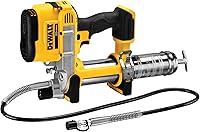
How to Change a Grease Gun Cartridge Without a Mess
To change a grease gun cartridge, pull back and latch the follower rod, unscrew the barrel, remove the old cartridge, and put the new one in open end first. Reconnect the barrel, release the rod, and prime until grease flows steadily.
On this page (9 sections)
- What do you need to change a grease gun cartridge?
- How do you remove an empty grease cartridge?
- Which end of the new cartridge goes in first?
- How do you finish loading a grease gun cartridge?
- How do you prime a grease gun after changing the cartridge?
- What mistakes can stop a grease gun from working?
- How can you avoid a mess and keep the gun ready?
- What should you check before using the gun?
- Which cartridge and grease gun should you choose?
To change a grease gun cartridge, pull back and latch the follower rod, unscrew the barrel, remove the old cartridge, and put the new one in open end first. This method for how to change a grease gun cartridge keeps grease contained and helps prevent dirt from reaching the gun head.
Work over a rag and set the barrel somewhere clean. Follower rod releases and priming controls vary, so check your gun manual before starting.
What do you need to change a grease gun cartridge?
You need a cartridge that matches the gun, a rag, and a clean place to set the barrel. Gloves can keep grease off your hands, and a small container or waste rag gives you somewhere to direct the coupler while priming.
First confirm that your grease type and cartridge size suit both the gun and the equipment you will grease. Do not assume that two greases are compatible because they fit the same barrel.
The Mystik JT-6 pack contains 10 cartridges of 14 oz each. Mystik describes this grease for severe service, including disc brake wheel bearings, backhoe hinge pins, and conveyor bearings, so it suits buyers who need that grease type for equipment such as construction or truck applications.
This is a poor choice if you need only one cartridge, have no use for the specified grease, or cannot confirm it matches your equipment’s requirements. Check the equipment manual before loading a cartridge when the correct grease type is unclear.
How do you remove an empty grease cartridge?
Release and pull back the follower rod before unscrewing the barrel. The rod presses against the cartridge during use, so leaving it engaged can make the barrel difficult to open or cause the rod to move unexpectedly.
- Set the gun on a rag and point the coupler away from you.
- Find the follower rod latch or release and disengage it.
- Pull the rod fully back and lock it in the rear position, if your gun has a locking notch.
- Hold the barrel as you unscrew it from the head.
- Pull out the empty cartridge and set it aside.
A nearly empty cartridge may still have grease around its opening. Keep it upright on the rag and avoid touching the exposed grease to the clean barrel or new cartridge.
Do not force a stuck barrel or rod. Guns use different release mechanisms, and the manual may show a step that is not obvious from the outside.
Which end of the new cartridge goes in first?
Insert the cartridge open end toward the gun head. Remove the plastic cap from that end, but leave the pull tab on the opposite end in place until the cartridge is seated.
Wipe grease from the barrel rim and head with a clean rag before inserting the replacement. Keep lint, grit, and other debris away from the opening because anything that enters the gun can travel toward the fitting.
The LockNLube Heavy-Duty Pistol Grip Grease Gun is a hand-powered option with a 20 in hose, an in-line swivel, and a locking grease coupler. It suits people who prefer a manual gun and want the hose and coupler features for reaching and connecting to fittings.
Skip it if you want powered grease delivery or do not need a pistol grip. Its cartridge change still follows the gun’s instructions, so the coupler and hose do not replace careful loading and priming.
How do you finish loading a grease gun cartridge?
Seat the cartridge firmly, remove its pull tab, and reconnect the barrel. A cartridge that sits crooked can interfere with the follower rod or keep grease from feeding properly.
- Push the cartridge into the barrel until its rim is seated.
- Pull the tab off the closed end.
- Screw the barrel back onto the head until secure, following the manual.
- Release the follower rod so it presses against the cartridge.
Avoid pressing hard on the cartridge opening or squeezing grease out around the rim. If the rod will not release, check that the barrel is attached and consult the manual.
Do not pull the rod out or try to pump while it is locked back. The rod needs to push the cartridge forward for grease to reach the pump.
How do you prime a grease gun after changing the cartridge?
Prime until grease flows steadily and air stops coming out. If your model has an air bleeder, use it as the manual directs while pumping or operating the handle.
Some guns need several strokes before grease reaches the coupler. Point the coupler into a rag or suitable waste container and away from people while priming.
The Ryobi P3410 is a cordless 18V grease gun with a 30 in flexible hose, an air bleeder valve, and plunger rod markings that help track the grease remaining in the tube. It fits people who grease multiple fittings or work in tight areas where a flexible hose and work light can help.
Skip this model if you want a simple hand-powered gun or do not want a battery tool. The P3410 is tool-only, so you need a compatible battery and charger separately.
If grease does not flow, stop and check that the follower rod is released, the cartridge is seated, and the barrel is secure. See how to bleed air out of a grease gun for steps to clear trapped air.
What mistakes can stop a grease gun from working?
The most common loading problems are a reversed cartridge, a latched follower rod, trapped air, or dirt at the gun head. Check these in order before trying to force grease through the coupler.
Putting the closed end toward the head can block the grease path. If the gun will not prime, reopen it only after releasing the rod and check the cartridge orientation and seating.
Forgetting to remove the pull tab can prevent grease from feeding. Removing it too early can also make a mess, so wait until the cartridge is seated in the barrel.
A barrel that is not securely reconnected can leak or fail to feed correctly. Tighten it as directed by the manual, but do not force the threads if they resist turning.
If the cartridge is stuck, do not pry against the barrel or puncture it. Check the rod latch, wipe accessible grease from the rim, and stop if the cartridge still will not come free.
How can you avoid a mess and keep the gun ready?
Keep the cartridge clean, wipe the rim, and secure the hose and coupler after use. Those habits help protect the grease and keep residue off your hands, clothes, and work area.
Store the gun with its barrel closed and the hose contained. The LockNLube model has a Loop & Lock storage feature that secures the coupler and forms a loop in the hose.
After use, wipe exposed grease from the head and barrel. For more on routine care, read how to clean a grease gun.
If you switch from cartridges to bulk grease, use the gun maker’s bulk-loading method. The steps differ, so follow how to fill a grease gun with bulk grease instead of adapting the cartridge method.
What should you check before using the gun?
Confirm the barrel is secure, the follower rod is released, and grease flows without air before attaching the coupler. Then use the grease type and amount specified for your equipment.
A coupler that is not seated on the fitting can leak or fail to deliver grease. For the next step, follow how to grease zerk fittings.
Which cartridge and grease gun should you choose?
Choose the Mystik JT-6 pack if you need that grease type for equipment whose instructions call for it and will use several cartridges. Choose the LockNLube if you prefer a hand-powered gun with a long hose and locking coupler, or the Ryobi if cordless operation, a flexible hose, and an air bleeder suit your work.
For the basic task of how to change a grease gun cartridge, the key sequence is the same: latch the follower rod back, fit the cartridge open end toward the head, remove the pull tab after seating, reconnect the barrel, and prime until grease flows steadily. If air remains trapped, follow the grease gun air bleeding guide.
Frequently asked questions
Which end of a grease cartridge goes in first?
Put the open end toward the grease gun head after removing its plastic cap. Keep the pull tab on the opposite end in place until the cartridge is seated in the barrel.
Loading can vary by model, so check your gun's instructions before changing a cartridge.
Why won't my grease gun prime after changing the cartridge?
Air may be trapped between the cartridge and gun head, or the follower rod may still be latched. Confirm the rod is released and the cartridge is seated, then use the air bleeder if your gun has one.
Pump until grease flows steadily.
If it still will not prime, follow the manual's troubleshooting steps.
Can you reuse a partly used grease cartridge?
You can leave a partly used cartridge in the gun if it remains seated and protected from dirt. Keep the barrel closed and follow the gun maker's storage instructions.
If you remove the cartridge, cap and store it cleanly so debris cannot get into the grease.