How to Grease a Riding Mower or Lawn Tractor
To learn how to grease a lawn mower, park it on level ground, shut it off, remove the key, and service only the fittings named in its manual. Clean each fitting, add the specified grease slowly, and stop at the manual's limit.
On this page (11 sections)
- What do you need to grease a lawn mower?
- How do you prepare the mower before greasing it?
- How do you find grease points on a riding mower?
- How to grease a lawn mower step by step
- How much grease should you use?
- What grease should you use on a lawn mower?
- What if a mower fitting won't take grease?
- Which grease gun suits your mower care routine?
- What common mistakes should you avoid?
- How do you finish after greasing?
- How to grease a lawn mower safely: make your choice
To learn how to grease a lawn mower, park it on level ground, shut it off, remove the key, and lubricate only the points named in its manual. Clean each fitting first, pump slowly, and stop at the specified amount or stopping point.
A riding mower or lawn tractor may have fittings at deck spindles, front axle pivots, steering parts, or other joints. The exact locations and service intervals vary, so the manual is your map; greasing every visible fitting or pumping until grease spills out can damage seals and leave a mess.
What do you need to grease a lawn mower?
You need the mower's manual, the specified grease, a compatible grease gun, and a rag. A soft brush can help remove dried grass and dirt before you attach the gun.
Wear gloves and eye protection, and keep hands away from blades and moving parts. If you need to reach below the deck, follow the manual's instructions for removing or securing it; never work under equipment supported only by a jack.
For occasional mower care, a hand-powered pistol grip gun gives you direct control over each stroke. The Lincoln 1133 has an 18 in whip hose and coupler, plus 2-way loading for standard cartridges.
Choose this style if you have a manageable number of fittings and don't mind pumping manually. Skip it if you service many machines or want powered dispensing; for more choices, see our guide to grease guns for riding lawn mowers.
How do you prepare the mower before greasing it?
Park on a flat surface, shut the mower off, remove the key, and let hot parts cool. Follow the manual's steps for disconnecting the spark plug wire or battery before working near the deck or other moving parts.
Set the parking brake if the manual directs it, and block the wheels if needed to prevent rolling. Lower or remove the deck only as the manual describes.
Brush away grass and dirt around each fitting before attaching the gun. Debris can enter the joint, and a coupler that isn't seated can leak grease around the fitting instead of delivering it properly.
How do you find grease points on a riding mower?
Use the manual for your exact mower and deck to find grease points and service intervals. Common locations include deck spindles, front axle pivots, and steering joints, but not every mower has fittings at each location.
Check the manual's diagrams and maintenance table. Some parts are sealed or have a different service method, so don't grease a moving part just because it looks like it should have a fitting.
Our guide to greasing zerk fittings explains how to seat and release a coupler without pulling on the fitting.
Can you grease John Deere mower parts the same way?
The manual for your exact John Deere model determines how to grease it. Use its maintenance chart for the right grease, intervals, fitting locations, and any special steps.
Instructions can differ between models and decks from the same brand. Don't assume a spindle, axle, or steering joint takes grease because a similar mower has a fitting there.
How to grease a lawn mower step by step
Clean the fitting, attach the coupler squarely, pump slowly, and stop at the manual's specified amount. Repeat for each point named in the maintenance chart, then wipe away extra grease.
- Brush or wipe dirt from the fitting and the area around it.
- Push the coupler straight onto the fitting until it seats.
- Pump slowly while watching the joint and feeling for unusual resistance.
- Stop at the amount or stopping point given in the manual.
- Release the coupler as directed, then wipe away excess grease.
- Check that grease hasn't reached a belt, pulley, tire, or another surface where it could cause a problem.
If grease leaks around the coupler, stop and reseat it instead of pumping harder. If the gun sputters or won't feed grease, follow its priming instructions; our guide to bleeding air out of a grease gun walks through that process.
How much grease should you use?
Use the amount in the mower's manual, and apply it slowly. Too much grease can push out a seal or collect dirt where it can reach the belt.
Some fittings need only a small amount. Stop if you feel strong resistance or see a seal move.
If grease escapes somewhere unexpected, stop and check the fitting. If you don't know how much your gun dispenses per stroke, our guide to how much grease comes out in one pump explains why output can vary.
A pump count is only a useful guide if it matches the mower's instructions. Don't substitute a guessed number of strokes for the manual's limit.
What grease should you use on a lawn mower?
Use the type named in the mower's manual. If the instructions are unclear, check with the mower maker or a service center before adding grease, especially when topping up a joint that already contains another type.
Lucas Oil Red N Tacky is a water-resistant grease described for agricultural, automotive, and industrial use. Choose it for mower service only if its type matches the manual's recommendation.
Don't mix greases simply because both fit a standard cartridge gun. Keep the gun clean enough for the grease you plan to use, and check compatibility before changing types.
What if a mower fitting won't take grease?
Stop pumping and check the coupler and gun before applying more force. A blocked or damaged fitting, poor coupler contact, or air in the gun can interrupt flow.
Wipe the fitting again and reseat the coupler. If the gun needs priming, follow its instructions or use our guide to bleeding air out of a grease gun.
Don't hammer the fitting or force grease through the joint. Our guide to why a grease zerk won't take grease covers what to check next and when a fitting may need replacement or service.
The 60-piece Vfrikor kit includes a grease gun coupler and assorted metric and SAE fittings. It can suit a repair when a fitting is damaged, but confirm the required thread size and type before replacing one.
Which grease gun suits your mower care routine?
Choose a hand-powered gun for occasional maintenance and a cordless gun if you service many fittings or machines. In either case, control the amount carefully and follow the mower's manual.
The Lincoln 1133 is a straightforward choice for a small number of fittings and manual control. Its pistol grip and flexible hose help you reach fittings, while its hand-powered action lets you meter each stroke.
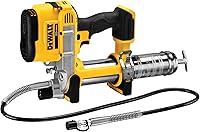
The Milwaukee 2446-20 M12 is a 12 V cordless gun with a 36 in flex hose, air bleeder valve, and bulk filler valve. It's a better fit for repeated greasing if you already have a compatible M12 battery; skip it if you need a complete battery and charger package, since those are sold separately.
A cordless gun can deliver grease faster than a manual one, so use a slow trigger and watch the joint closely. If you want to compare models made for mower upkeep, see grease guns for riding lawn mowers.
What common mistakes should you avoid?
Don't grease unlisted parts, pump against strong resistance, or let dirt enter a fitting. Those shortcuts can damage a seal or contaminate the joint.
Avoid using grease just because it fits your gun, and don't mix types without checking compatibility. Keep grease away from belts, pulleys, tires, and surfaces where it could attract debris or reduce traction.
Don't work under an unsecured deck or mower. Follow the manual for securing the machine, removing guards, disconnecting power, and returning each part to its proper position.
How do you finish after greasing?
Wipe away excess grease and inspect the area before starting the mower. Keep tools, rags, and grease away from the deck and moving parts.
Reinstall the deck or guards, reconnect anything you disconnected, and lower the mower as directed. Remove wheel blocks and tools, then check the work area before starting the engine.
Clean and store the grease gun according to its instructions. Our guide to cleaning a grease gun covers basic care after use.
How to grease a lawn mower safely: make your choice
For a safe routine, follow the manual, clean each fitting, apply grease slowly, and stop at the stated amount. The manual determines which grease points to service and how often.
Pick the Lincoln 1133 if you want a hand-powered gun for occasional service. Choose the Milwaukee 2446-20 if you grease often and already have a compatible M12 battery and charger; use Lucas grease only when the manual allows it, and replace fittings only after confirming their thread size.
Before each service, check the manual's locations and intervals against your maintenance notes. Then visit greasing know-how for more guidance on grease guns and fittings.
Frequently asked questions
How often should I grease a riding lawn mower?
Follow the service intervals in your mower's manual, since schedules and grease points vary by model. Check the maintenance chart before the mowing season and after heavy use.
Use its instructions for deck spindles, front axle pivots, steering parts, and any other joints it names.
How much grease should I put in a mower spindle?
Use the amount and stopping point specified in your mower's manual. If it gives no amount, add grease slowly and stop if resistance rises or a seal begins to move.
Forcing in more can damage a seal, so don't use overflow as your target.
Can I use any grease in a lawn mower?
Use the grease type recommended in the mower's manual. Some joints may need a specific grease, and compatibility can matter when topping up what's already there.
Check the manual before mixing products or substituting a general-purpose grease.
Why won't grease go into my mower's zerk fitting?
A blocked or damaged fitting, a coupler that isn't seated, or air in the grease gun can stop flow. Wipe the fitting, reseat the coupler, and check the gun's priming instructions.
If it still won't take grease, see why a grease zerk won't take grease before forcing the gun.