DeWalt DCF513B vs DCF503B Ratchet: Which Is Better? (November 2026)
The DeWalt DCF513B is the better overall pick because it offers 70 ft-lb of torque and 20V MAX battery compatibility. Choose the DCF503B for a lighter 12V platform and compact fastening work.
On this page (11 sections)
- DeWalt DCF513B vs DCF503B: which one wins overall?
- How do the 2 ratchets compare side by side?
- Which ratchet gives you more fastening power?
- Does the 20V MAX platform make the DCF513B better?
- Is the lighter DCF503B easier to handle?
- How do the LED lights and speed controls compare?
- Which housing is better for worksite conditions?
- Who should buy the DeWalt DCF513B?
- Who should buy the DeWalt DCF503B?
- How should you choose between the 2 battery platforms?
- Final verdict: DCF513B or DCF503B?
The DeWalt DCF513B wins the DeWalt DCF513B vs DCF503B comparison for most readers because its brushless motor delivers up to 70 ft-lb of torque and it works with DEWALT 20V MAX batteries. The DCF503B is the smarter choice when a lighter 12V tool fits your work better.
Both ratchets use a 3/8-inch drive, brushless motor, glass-filled nylon housing, LED work light and variable speed trigger. The decision comes down to the extra torque and larger battery platform of the DCF513B versus the shorter, lighter body of the DCF503B.
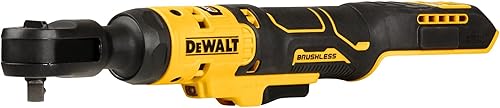

DeWalt DCF513B vs DCF503B: which one wins overall?
Choose the DCF513B for the stronger all-around tool. It delivers up to 70 ft-lb of torque, works with DEWALT 20V MAX batteries and chargers, and adds a trigger lock to help prevent accidental activation.
The DCF503B reaches up to 60 ft-lb of torque. That is still a substantial output for a 3/8-inch ratchet, but the DCF513B gives you 10 ft-lb more when a fastener demands additional turning force.
The DCF513B is 15.79 inches long and weighs 2.6 pounds. The DCF503B is 14.37 inches long and weighs 2 pounds, so the smaller tool has a clear handling advantage.
Both tools have compact designs and low-profile heads for access in tight locations. Both also use an onboard LED work light and variable speed trigger, so those daily-use features don't separate them.
How do the 2 ratchets compare side by side?
The DCF513B leads in torque and platform capacity, while the DCF503B leads in weight and length. Use the table to match the tool to the work you do most often.
| Feature | DeWalt DCF513B | DeWalt DCF503B |
|---|---|---|
| Product name | DeWalt DCF513B 20V ATOMIC 3/8-inch Ratchet | DeWalt DCF503B 12V XTREME 3/8-inch Ratchet |
| Drive size | 3/8 in | 3/8 in |
| Maximum torque | 70 ft-lb | 60 ft-lb |
| Battery platform | DEWALT 20V MAX | 12V MAX |
| Motor | Brushless | Brushless |
| Length | 15.79 in | 14.37 in |
| Weight | 2.6 lb | 2 lb |
| Housing | Glass-filled nylon | Glass-filled nylon |
| Work light | Onboard LED | Onboard LED |
| Speed control | Variable speed trigger | Variable speed trigger |
| Included component | DCF513 ratchet | DCF503 ratchet |
The tools share the features that matter for visibility and control. The important split is whether you want more torque from the 20V MAX platform or less weight from the 12V MAX platform.
If you already have batteries in one platform, that can outweigh the body-size difference. A bare tool is most useful when it fits the batteries and chargers already in your workspace.
Which ratchet gives you more fastening power?
The DCF513B is the clear choice for maximum torque. Its brushless motor delivers up to 70 ft-lb, compared with up to 60 ft-lb from the DCF503B.
That 10 ft-lb difference gives the DCF513B more room for demanding fastening and removal work. It also makes the larger 20V MAX platform a better match for someone who wants the higher-output option in this comparison.
Torque is only one part of the job. A ratchet still needs the correct socket and a suitable approach to the fastener, and the tool's trigger should be used with control rather than full speed by habit.
The DCF503B remains a capable 3/8-inch ratchet for many compact-space tasks. Its 60 ft-lb rating puts it below the DCF513B, but the lower figure comes with a lighter body and shorter length.
For repeated work on stubborn fasteners, pick the DCF513B. For routine fastening where handling fatigue matters more than the highest output, the DCF503B makes a stronger case.
Does the 20V MAX platform make the DCF513B better?
The DCF513B is better if you already use DEWALT 20V MAX batteries and chargers. Platform compatibility can save you from building a second battery system around one ratchet.
The DCF513B is designed to work with all DEWALT 20V MAX batteries and chargers. Its battery and charger are sold separately, so the tool makes the most sense for someone already using that system or planning to add it.
A larger battery platform also gives the DCF513B a clear identity in this comparison. It pairs the 20V MAX system with the highest torque rating, making it the performance-first option.
The DCF503B uses the 12V MAX platform. Pick it when that is the battery system already available to you, or when the smaller 2-pound body is more useful than the DCF513B's extra output.
Don't choose by the voltage name alone. Match the ratchet to the batteries, chargers and other tools you expect to keep using.
Is the lighter DCF503B easier to handle?
The DCF503B is easier to hold for long stretches because it weighs 2 pounds. The DCF513B weighs 2.6 pounds, so it asks more from your hand and arm during repeated positioning.
The DCF503B is also shorter at 14.37 inches. That 1.42-inch difference can make it easier to position in a crowded work area, especially when the tool's body needs to stay clear of nearby parts.
Both ratchets have compact designs and low-profile heads for mobility in tight locations. The shorter DCF503B has the handling advantage, but both tools are built around access rather than the long body of a standard drill.
Weight matters most when the job involves many fasteners or long periods of holding the tool away from your body. It matters less when the task is short and the extra torque of the DCF513B saves effort at the fastener.
Pick the DCF503B for lighter handling and the shorter body. Choose the DCF513B when 0.6 pound is a fair trade for 10 ft-lb more torque.
How do the LED lights and speed controls compare?
Neither ratchet has an advantage for basic visibility or speed control. Both include an onboard LED work light and a variable speed trigger.
The LED helps illuminate the application while you position the socket. That is useful in spaces where the fastener sits below a panel, inside a crowded area or away from direct room light.
The variable speed trigger lets you adjust output to the application. Start with controlled trigger pressure when aligning the socket, then increase speed as the fastener turns freely.
These features make the tools easier to control, but they don't change the torque ranking. The DCF513B still wins for maximum output, while the DCF503B still wins for lower weight.
The best setup is the one that keeps the socket square to the fastener and gives you enough light to see the work. A work light cannot correct a poor angle, and extra torque doesn't replace proper socket fit.
Which housing is better for worksite conditions?
Both ratchets use glass-filled nylon housing to help combat damage caused by some oils and solvents. That shared housing detail means this category does not separate the tools.
The housing is relevant for automotive and mechanical work where oils or solvents can be present around the work area. Both products are built around the same material approach in the supplied product information.
The rest of the choice stays practical. The DCF513B brings more torque and a trigger lock, while the DCF503B brings lower weight and shorter length.
The trigger lock on the DCF513B helps prevent accidental activation when applied. That gives the 20V model one control feature the DCF503B does not list in this comparison.
Keep either ratchet clean and use it with the right socket for the fastener. Store the tool with its battery removed when the tool is not in use, and keep the work light and trigger area free of debris.
Who should buy the DeWalt DCF513B?
Buy the DCF513B if you want the highest torque, use DEWALT 20V MAX batteries or need the trigger lock. It is the better choice for heavier fastening work and for buyers who want the stronger overall specification set.
The 70 ft-lb maximum torque is the biggest reason to choose it. The brushless motor, compact low-profile head, LED work light and variable speed trigger give it a broad range of useful features around that core strength.
Its 15.79-inch length and 2.6-pound weight are reasonable trade-offs for the higher output. They become less costly when you already have the right 20V MAX batteries and chargers nearby.
The DCF513B includes the DCF513 ratchet. The battery and charger are sold separately, so account for that when planning a new setup.
For another cordless ratchet comparison, our Craftsman V20 ratchet review gives you a different platform to consider. If you are comparing compact professional options, the Milwaukee M12 3/8 ratchet review is the more direct 12V alternative.
Who should buy the DeWalt DCF503B?
Buy the DCF503B if you value a 2-pound body, a shorter 14.37-inch length or the 12V MAX platform. It is the better fit for repeated compact-space work where holding weight matters more than maximum torque.
The 60 ft-lb motor still gives the DCF503B a solid output for a 3/8-inch ratchet. Its low-profile head, LED work light and variable speed trigger keep the tool suited to tight locations and controlled fastening.
The lighter body can make a real difference during repeated work. A 0.6-pound saving is small on paper, but it becomes more noticeable when you hold the ratchet at an awkward angle for many fasteners.
The DCF503B includes the DCF503 ratchet, while the battery and charger are sold separately. Choose it when the 12V MAX system matches the tools and chargers you already keep available.
Its lower score reflects the lower torque and narrower platform fit, not a missing 3/8-inch format. For a lighter DeWalt option, this is the clear pick.
How should you choose between the 2 battery platforms?
Choose the platform you will keep using after this ratchet purchase. The DCF513B fits DEWALT 20V MAX batteries and chargers, while the DCF503B uses 12V MAX batteries.
If your current tools already use DEWALT 20V MAX, the DCF513B avoids adding a second battery family. Its higher torque also matches the reason many buyers choose a larger cordless ratchet.
If you already work with 12V MAX tools, the DCF503B keeps your charging routine simpler. Its lighter body then becomes a benefit instead of a compromise you accept only to avoid buying another battery system.
A new buyer should decide from the full tool group rather than one ratchet. Think about whether your next cordless tools are more likely to fit the 20V MAX or 12V MAX system, then use the ratchet's torque and weight as the tie-breakers.
For related grease-gun comparisons from the same brand, see DeWalt Grease Gun 571 vs 581. The choice follows the same basic rule: start with the platform you plan to support, then compare the tool's work-focused differences.
Final verdict: DCF513B or DCF503B?
The DCF513B is the overall winner in the DeWalt DCF513B vs DCF503B decision. Its 70 ft-lb torque, DEWALT 20V MAX compatibility and trigger lock give it the stronger package for most demanding users.
Pick the DCF513B when you need the higher output, already own 20V MAX batteries or expect the ratchet to handle a wide range of fastener work. The extra 0.6 pound and 1.42 inches are fair trade-offs for that added capability.
Pick the DCF503B when the 2-pound weight, 14.37-inch length and 12V MAX platform fit your daily work better. It is the sensible choice for lighter handling in compact areas where 60 ft-lb is enough.
Both models give you a 3/8-inch drive, brushless motor, glass-filled nylon housing, LED work light and variable speed trigger. The final rule is simple: choose the DCF513B for torque and 20V MAX reach, or the DCF503B for lighter handling and 12V MAX convenience.
Frequently asked questions
Do the DeWalt DCF513B and DCF503B use the same batteries?
No. The DCF513B works with DEWALT 20V MAX batteries and chargers, while the DCF503B is a 12V MAX ratchet.
Battery platform should be part of your choice if you already own compatible DeWalt tools.
Which DeWalt ratchet has more torque?
The DCF513B has more torque, with up to 70 ft-lb compared with 60 ft-lb for the DCF503B. That 10 ft-lb gap favors the DCF513B for fastening jobs where extra output matters.
Which DeWalt ratchet is lighter?
The DCF503B is lighter at 2 pounds, while the DCF513B weighs 2.6 pounds. The 0.6-pound difference matters when you hold the tool for repeated overhead or awkward-position work.
Are batteries included with either DeWalt ratchet?
Neither tool includes a battery or charger. The DCF513B includes the DCF513 ratchet, and the DCF503B includes the DCF503 ratchet, so the required battery platform is an added part of the setup.
Do both DeWalt ratchets use a 3/8-inch drive?
Yes. Both are 3/8-inch cordless ratchets, so the drive size matches.
Their main differences are torque, battery platform, length and weight rather than drive size.


